Lowith betekenis in de geschiedenis
Lowith's answer to the change of modernity is to say that Christianity has nothing at all to do with history or reason, rather it is about being given faith, which becomes hope in the God-man. Hij verliet in Duitsland, was achtereenvolgens hoogleraar in Japan, de VS en Canada en sinds te Heidelberg. Löwith was een van de voornaamste specialisten voor de geschiedenis van de 18een 19e-eeuwse filosofie. 


- Lowith betekenis in de geschiedenis LOwith finds that the vast majority of our contemporary "sophisticated results" are traceable back to the Hebrew-Christian salvation epic. For ex ample, our concern with the ''philosophy,'' i.e. the "meaning" of history is a direct product of religion; "it is Hebrew and Christian thinking that brought this colossal question into existence.
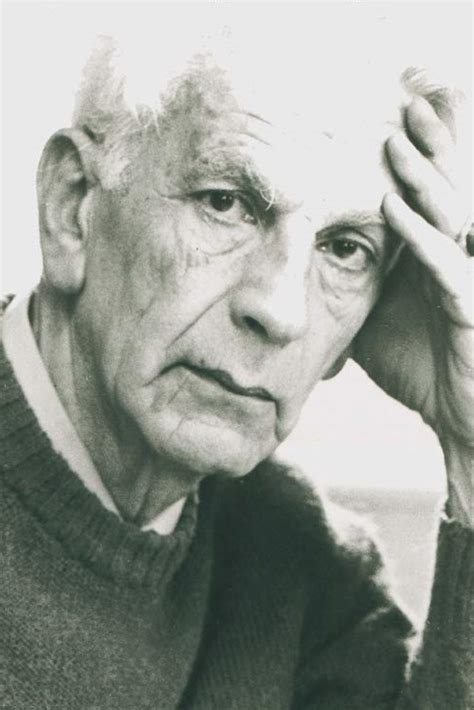
Karl Löwith
Karl Löwith (German: [ˈløːvɪt]; 9 January – 26 May ) was a German philosopher in the phenomenological tradition. A student of Husserl and Heidegger, he was one of the most prolific German philosophers of the twentieth century. To develop this theory, Karl Löwith—beginning with the more accessible philosophies of history in the nineteenth and eighteenth centuries and working back to the Bible—analyzes the writings of outstanding historians both in antiquity and in Christian times. "A book of distinction and great importance. Karl Löwith loewith, karl His teachers were E. *Husserl, M. *Geiger, and M. Heidegger in philosophy, and H. Spemann in biology. From he was privatdocent at Marburg University; from to a Rockefeller fellow at Rome; then professor at Sendai, Japan; from at the Hartford Theological Seminary; from at the New School for Social.Filosofie
Philosophy ('love of wisdom' in Ancient Greek) is a systematic study of general and fundamental questions concerning topics like existence, reason, knowledge, value, mind, and language. A comprehensive and up-to-date online encyclopedia of philosophy and related disciplines, edited by scholars from around the world. Browse the table of contents, search by topic, or explore the latest entries and archives. Filosofie An encyclopedia of philosophy articles written by professional philosophers. About; Submissions; Editors; Volunteer; Stay Connected.Geschiedfilosofie
Geschiedfilosofie, of wijsbegeerte der geschiedenis, is de tak van de filosofie die zich zowel bezighoudt met de betekenis, die mogelijk kan worden toegekend aan de menselijke geschiedenis, als met het analyseren van de praktijk van de geschiedschrijving. De geschiedfilosofie bestudeert de met name de niet-filosofische geschiedenis en geschiedschrijving. De tak van de geschiedfilosofie die zich toelegt op de geschiedenis van filosofische ideeën, stromingen en systemen, noemen we ook wel de ideeëngeschiedenis.- Geschiedfilosofie Samenvatting Als het verleden trekt kernthema’s in de geschiedfilosofie Herman Paul Jeroen Willemsen Inhoudsopgave Inhoudsopgave 2 Hoofdstuk 1: Wat is geschiedfilosofie? 4 Josef Knecht 4 Substantiële en analytische geschiedfilosofie 4 een moeizame geschiedenis 5 een tweeledige traditie 6 Theorie, methodologie en historiografie 7 Hoofdstuk 2: Wat is het verleden? 8 2.
Existentie
biedt zeven verschillende definities van het woord existentie, afkomstig van diverse bronnen. Existentie betekent het bestaan, het er zijn, of het wezen van iets of iemand. Kierkegaard verbindt existentie met het concrete, unieke menselijke bestaan van het individu. Friedrich Nietzsche zag, als atheïst, voor de mens een toekomst weggelegd waarin deze, en niet bijvoorbeeld God, zijn eigen waarden bepaalt.- Existentie Voorlopers in het existentie-denken zijn Søren Kierkegaard, Friedrich Nietzsche en Martin Heidegger.